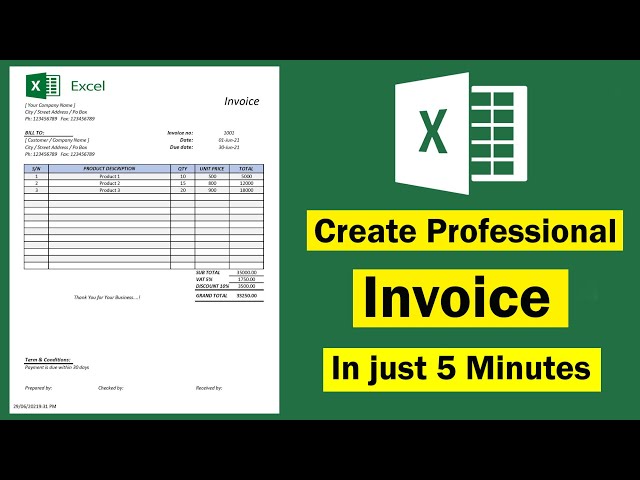
A service billing invoice template is a document (noun) that businesses use to bill their customers for services rendered.
This template is important because it helps businesses track their income, manage their cash flow, and stay organized.
Prior to the advent of computers, service billing invoice templates were handwritten or typed. Now they are typically created using a software program, which can save businesses time and money.
service billing invoice template
The essential aspects of a service billing invoice template play a critical role in ensuring efficient and accurate billing processes. Here are ten key aspects to consider:
- Business Name
- Contact Information
- Invoice Number
- Invoice Date
- Customer Name
- Customer Address
- Description of Services
- Quantity
- Unit Price
- Total Amount
These aspects provide a comprehensive overview of the services provided, the associated costs, and the customer’s details. By carefully considering these aspects, businesses can create clear and professional invoices that facilitate timely payments and maintain positive customer relationships.
Business Name
The “Business Name” aspect of a service billing invoice template is crucial as it establishes the identity of the organization providing the services and ensures proper recognition for the work performed. This aspect encompasses several key facets:
-
Company Name
The official or legal name of the business or organization providing the services. -
Business Address
The physical or registered address of the business, important for correspondence and legal purposes. -
Contact Information
Includes phone numbers, email addresses, and website (if applicable), enabling customers to easily reach the business for inquiries or clarifications. -
Logo or Branding
Optional but impactful, the business logo or branding elements enhance the professional appearance of the invoice and increase brand recognition.
By incorporating these facets effectively, businesses can ensure that their service billing invoice templates are not only informative but also serve as a valuable marketing tool, fostering trust and credibility with their customers.
Contact Information
Contact information is a vital component of a service billing invoice template as it enables effective communication between the business and its customers. It provides a means for customers to reach the business with inquiries, clarifications, or to initiate payment. Accurate and comprehensive contact information ensures that invoices are delivered to the correct recipient and that any questions or concerns can be promptly addressed.
Real-life examples of contact information typically included in service billing invoice templates encompass email addresses, phone numbers, fax numbers, and physical addresses. Additionally, businesses may include website URLs or social media handles to provide customers with multiple channels for communication. By providing multiple contact options, businesses enhance the accessibility and responsiveness of their customer service, fostering positive customer relationships.
The practical significance of contact information on service billing invoice templates extends beyond facilitating communication. It also contributes to the overall professionalism and credibility of the business. Well-presented contact information demonstrates attention to detail and a commitment to customer satisfaction. Moreover, accurate contact information helps prevent delays in payments or misunderstandings, ensuring smooth business operations.
Invoice Number
The “Invoice Number” aspect of a service billing invoice template serves as a unique identifier for each invoice issued by a business to its customers. It plays a critical role in organizing, tracking, and managing invoices, offering several key benefits and implications for businesses and their customers alike.
Firstly, the invoice number facilitates efficient invoice tracking and retrieval. By assigning a unique number to each invoice, businesses can easily identify and access specific invoices from their records, even when dealing with a large volume of invoices. This streamlined tracking system enables businesses to quickly locate and retrieve invoices for reference, accounting purposes, or customer inquiries.
Moreover, the invoice number contributes to the accuracy and reliability of financial records. It serves as a control mechanism, helping businesses prevent duplicate invoicing and ensuring that all invoices issued are accounted for. By providing a clear and distinct reference point for each invoice, businesses can maintain accurate financial records and minimize the risk of errors or omissions.
Invoice Date
The “Invoice Date” is a crucial component of a service billing invoice template, as it serves as a reference point for various financial and legal purposes. It captures the date on which the invoice was issued, establishing a timeline for payment and other related actions. The invoice date triggers a chain of events and has significant implications for both businesses and their customers.
For businesses, the invoice date marks the start of the billing cycle and payment terms. It determines the due date for customer payments, helping businesses manage their cash flow and accounts receivable. Accurate invoice dates ensure timely invoicing and payment processing, reducing the risk of late payments and improving financial efficiency.
From the customer’s perspective, the invoice date provides a clear understanding of the billing period and payment expectations. It allows customers to plan their payments accordingly, avoid late fees, and maintain a positive credit history. Additionally, the invoice date serves as a reference point for any inquiries or disputes related to the invoice, ensuring transparency and accountability.
Customer Name
The “Customer Name” is a fundamental component of a service billing invoice template, establishing a direct connection between the business and the recipient of the invoice. It serves several critical purposes and plays a vital role in the billing process.
Firstly, the “Customer Name” identifies the party responsible for payment, ensuring that the invoice reaches the intended recipient. It enables businesses to maintain accurate customer records and track payments effectively. Accurate customer names minimize errors and facilitate efficient communication, reducing the risk of payment delays or disputes.
Furthermore, the “Customer Name” provides a personalized touch to the invoice, fostering a professional and positive business relationship. It demonstrates that the business values its customers and recognizes their individual identities. This attention to detail enhances customer satisfaction and loyalty, contributing to long-term business growth.
Customer Address
Within the context of a service billing invoice template, the “Customer Address” holds paramount importance, facilitating effective communication, accurate delivery, and timely payments. It serves as the physical or virtual destination where the invoice should reach, ensuring that the recipient receives the billing information promptly and without errors.
-
Street Address
The street address is the primary component of a customer address, pinpointing the specific location of the recipient. It includes the street name, house number, and any additional details necessary for precise delivery.
-
City, State, and ZIP Code
This part of the customer address provides essential geographical information, helping to identify the city, state, and ZIP code associated with the recipient’s location. It ensures that the invoice is routed to the correct postal zone and facilitates timely delivery.
-
Country
In international transactions, the country field specifies the recipient’s nation, ensuring that the invoice is delivered to the appropriate country and complies with any specific regulations or customs requirements.
-
Email Address
In addition to a physical address, many businesses also include an email address in the customer address section. This provides an alternative electronic contact point for invoice delivery, offering convenience and ensuring that the invoice reaches the recipient even if there are any postal delays or issues.
Collectively, these facets of the “Customer Address” on a service billing invoice template work together to guarantee that invoices are received by the intended recipients, minimizing the risk of payment delays, disputes, and lost invoices. By providing accurate and complete customer addresses, businesses can maintain seamless billing processes, foster positive customer relationships, and enhance their overall operational efficiency.
Description of Services
Within the context of a service billing invoice template, the “Description of Services” aspect plays a critical role in accurately capturing and communicating the details of the services rendered to customers. It provides a clear understanding of the work performed, forming the basis for accurate billing and customer satisfaction.
-
Service Itemization
This involves listing each individual service provided, along with a brief description of the work performed. Detailed itemization ensures that customers have a precise understanding of the services they are being billed for.
-
Quantities and Units
For services that involve measurable quantities, such as hours worked or units delivered, this section specifies the number of units and the unit of measurement. Accurate quantities ensure that customers are billed fairly for the services received.
-
Service Dates
In cases where services are provided over a period of time, the service dates indicate the start and end dates of the work performed. This information is crucial for determining the billing period and ensuring timely invoicing.
-
Service Rates
The service rates section specifies the agreed-upon price per unit of service or the total cost for the entire service. Clear and accurate rates ensure that customers are billed according to the predetermined pricing.
Collectively, these facets of the “Description of Services” aspect provide a comprehensive and detailed account of the services rendered, ensuring transparency and accuracy in the billing process. By providing customers with a clear understanding of what they are being billed for, businesses can foster trust, minimize disputes, and maintain positive customer relationships.
Quantity
In the realm of service billing invoice templates, “Quantity” emerges as a critical component, playing a pivotal role in ensuring accurate billing practices and transparent communication between businesses and their customers.
The “Quantity” field captures the number of units or instances of a particular service provided. It serves as a quantifiable measure of the work performed, allowing businesses to charge customers fairly for the services rendered. For instance, if a consulting firm provides 10 hours of consulting services, the “Quantity” field in the invoice template would reflect this value.
Accurate quantity tracking is essential for maintaining the integrity of the billing process. It prevents overcharging or undercharging customers, fostering trust and credibility between parties. Moreover, it simplifies the calculation of total charges, ensuring that customers are billed the correct amount based on the agreed-upon rates.
In conclusion, the “Quantity” field in service billing invoice templates serves as a cornerstone for accurate billing, transparent communication, and maintaining positive customer relationships. By accurately capturing the quantity of services provided, businesses can ensure that their invoices are fair, transparent, and compliant with industry standards.
Unit Price
Within the context of service billing invoice templates, “Unit Price” holds a position of critical importance, as it directly influences the calculation of total charges and the accuracy of the billing process. The unit price represents the predetermined cost associated with a single unit of service, acting as a multiplier against the quantity of services provided. This relationship forms the cornerstone of accurate and transparent billing practices.
Consider a consulting firm that charges $100 per hour for its services. If the firm provides 10 hours of consulting services to a client, the unit price of $100 would be multiplied by the quantity of 10 hours, resulting in a total charge of $1,000. This calculation ensures that the client is billed fairly and accurately for the services received.
Real-life examples of unit prices abound in various industries. Law firms may charge a unit price per hour for legal services, while construction companies may charge a unit price per square foot for building renovations. By establishing clear and consistent unit prices, businesses can streamline their billing processes, reduce errors, and foster trust with their customers.
The practical applications of understanding the connection between unit price and service billing invoice templates are far-reaching. Accurate unit prices enable businesses to make informed decisions regarding pricing strategies, ensuring profitability while maintaining competitive advantage. Moreover, transparent unit pricing empowers customers to make informed choices about the services they purchase, promoting informed decision-making and satisfaction.
Total Amount
In the realm of service billing invoice templates, the “Total Amount” aspect stands as a pivotal element, representing the culmination of all charges associated with the services rendered. It serves as a critical reference point for both businesses and customers, ensuring accurate billing and transparent communication.
-
Subtotal
The subtotal represents the sum of all charges before applying any discounts or taxes. It provides a base figure upon which further calculations are made.
-
Discounts
Discounts are reductions in the total amount, typically offered as a means of incentivizing prompt payment or rewarding customer loyalty. They are deducted from the subtotal.
-
Taxes
Taxes are government-mandated charges levied on the total amount. They vary depending on the jurisdiction and the type of service provided.
-
Grand Total
The grand total represents the final amount due, calculated by adding the subtotal, discounts, and taxes. It is the figure that the customer is ultimately responsible for paying.
Understanding the various components of “Total Amount” empowers businesses to create accurate and comprehensive invoices. It enables them to clearly communicate all charges to customers, fostering trust and minimizing disputes. Moreover, it provides a solid foundation for effective cash flow management and financial planning.
FAQs
This FAQ section provides answers to frequently asked questions about service billing invoice templates. These questions address common concerns and misconceptions, offering clarity on various aspects of creating and using these templates.
Question 1: What is a service billing invoice template?
A service billing invoice template is a pre-designed form that businesses use to create invoices for services rendered to customers. It typically includes essential elements such as business information, customer details, description of services, unit prices, and total amount.
Question 2: Why is using a service billing invoice template important?
Using a service billing invoice template streamlines the invoicing process, ensuring accuracy, consistency, and professionalism. It helps businesses track their income, manage cash flow, and maintain organized records.
Question 3: What information should be included in a service billing invoice template?
A comprehensive service billing invoice template should include the business name and contact information, customer name and address, invoice number and date, description of services, quantity, unit price, and total amount. It may also include payment terms, discounts, and taxes.
Question 4: Can I customize a service billing invoice template?
Yes, service billing invoice templates are customizable to meet specific business needs. Businesses can modify the layout, add their branding elements, and include additional fields or sections as required.
Question 5: How do I create a service billing invoice using a template?
To create an invoice using a template, simply fill in the relevant fields with accurate information. Ensure that all details are correct and that calculations are accurate before sending the invoice to the customer.
Question 6: What are the benefits of using a service billing invoice template?
Using a service billing invoice template offers several benefits, including increased efficiency, improved accuracy, enhanced professionalism, better organization, and simplified record-keeping.
These FAQs shed light on important aspects of service billing invoice templates, empowering businesses to create effective and compliant invoices. In the next section, we will delve deeper into the advantages of using these templates and explore best practices for their implementation.
Tips for Using Service Billing Invoice Templates Effectively
This section provides practical tips to help businesses optimize their use of service billing invoice templates, ensuring accuracy, efficiency, and professionalism.
Tip 1: Choose a comprehensive template: Select a template that includes all necessary fields and sections to capture essential invoice information.
Tip 2: Customize for your business: Tailor the template to reflect your business branding, add your logo, and include any additional fields or sections specific to your needs.
Tip 3: Use consistent formatting: Maintain a consistent format across all invoices to enhance readability and organization.
Tip 4: Automate calculations: Utilize invoice templates with built-in formulas to automate calculations, reducing errors and saving time.
Tip 5: Proofread carefully: Before sending invoices, thoroughly proofread them to ensure accuracy in all details, including calculations and customer information.
Tip 6: Send invoices promptly: Issue invoices promptly after services are rendered to facilitate timely payment and avoid delays in cash flow.
Tip 7: Offer multiple payment options: Provide customers with multiple payment options, such as online payments, bank transfers, or credit card payments, to enhance convenience.
Tip 8: Track invoice status: Use a system to track the status of invoices, including payments received, overdue invoices, and any disputes or inquiries.
By implementing these tips, businesses can harness the full potential of service billing invoice templates, streamline their billing processes, and foster positive customer relationships.
In the concluding section, we will explore additional strategies to enhance invoice management, optimize cash flow, and drive business growth.
Conclusion
Throughout this article, we have explored the multifaceted aspects of service billing invoice templates, emphasizing their significance in streamlining billing processes, enhancing accuracy, and fostering positive customer relationships. Key points discussed include the essential elements of a comprehensive template, customization options, and best practices for effective implementation.
Central to the discussion is the interconnectedness of these elements. A well-structured template provides a solid foundation, while customization allows businesses to tailor it to their specific requirements. By adhering to best practices, businesses can optimize their use of templates, maximizing their benefits.