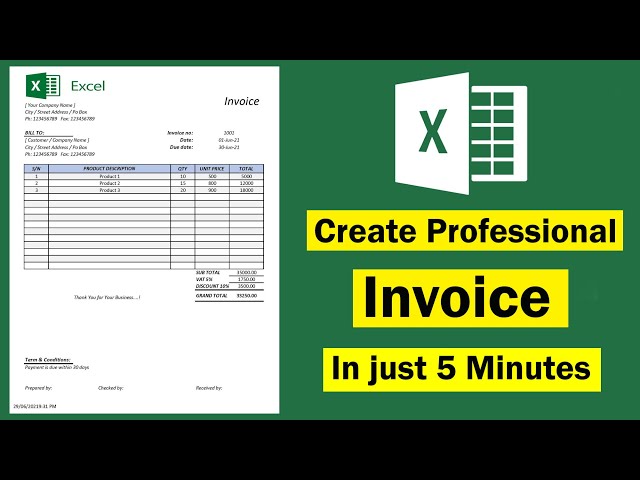
An invoice layout is a structured format for presenting essential information on a bill. It typically includes elements such as the seller’s details, customer information, invoice number, date, list of items or services provided, quantities, unit prices, total amounts, payment terms, and any applicable taxes. The layout of an invoice serves as a clear and organized record of the transaction between the seller and buyer.
A well-designed invoice layout is crucial as it ensures that all necessary information is presented efficiently and accurately. It helps businesses track their income, manage cash flow, and comply with legal and tax regulations. The use of standardized invoice layouts has evolved over time to facilitate efficient processing and minimize errors.
This article delves into the various components of an effective invoice layout, explores industry best practices, and provides guidance on optimizing your invoices for clarity and efficiency.
Layout of an Invoice
The layout of an invoice is crucial for ensuring its clarity, accuracy, and efficiency. It involves the organized arrangement of various essential aspects that collectively convey the details of a transaction.
- Company Information: Name, address, contact details
- Invoice Number: Unique identifier for the invoice
- Date: Date of invoice issuance
- Customer Information: Name, address, contact details
- Line Items: Description of goods or services, quantities, and unit prices
- Total Amounts: Subtotal, discounts, taxes, and grand total
- Payment Terms: Methods of payment and due date
- Notes: Additional information or instructions
- Design Elements: Logo, branding, visuals
These aspects collectively contribute to the overall effectiveness of an invoice. A well-structured layout allows for easy comprehension, reduces errors, and facilitates efficient processing. It also serves as a professional representation of the business and helps maintain a positive customer experience.
Company Information
Within the layout of an invoice, the section dedicated to company information plays a vital role in establishing the identity and credibility of the business. It typically includes the company name, address, and contact details, serving as a point of reference for both the seller and the customer.
- Company Name: The official and legal name of the business issuing the invoice.
- Address: The physical or registered address of the business, which may be different from the operating address.
- Contact Details: This includes the phone number, email address, and website of the business, enabling customers to reach out for inquiries or support.
The accuracy and completeness of the company information section are essential for several reasons. It ensures that customers can easily identify the source of the invoice and contact the business if necessary. It also enables efficient communication, facilitates record-keeping, and enhances the overall professionalism of the invoice. Furthermore, it helps in building trust and establishing a positive business relationship with customers.
Invoice Number
Within the layout of an invoice, the invoice number holds significant importance as a unique identifier for each transaction. It serves as a critical reference point for both the seller and the customer, facilitating efficient record-keeping, tracking, and retrieval of invoice-related information.
- Sequential Numbering: Invoice numbers typically follow a sequential numbering system, ensuring that each invoice issued is assigned a unique and chronological identifier.
- Uniqueness: The invoice number must be unique for each invoice generated by the business, allowing for easy identification and distinction between different transactions.
- Internal Reference: The invoice number serves as an internal reference for the business, enabling efficient tracking and management of invoices within their accounting system.
- External Communication: The invoice number facilitates external communication, allowing customers to easily reference and track specific invoices when making payments or inquiries.
The unique identifier aspect of the invoice number is crucial for maintaining accurate and organized financial records. It helps prevent duplicate payments, ensures proper allocation of payments to the correct invoices, and simplifies the reconciliation process. Additionally, a well-structured invoice numbering system can enhance the overall efficiency and effectiveness of the invoicing process.
Date
Within the layout of an invoice, the date of invoice issuance holds significant importance, as it establishes a temporal reference point for the transaction. It serves as a crucial piece of information for both the seller and the customer, impacting various aspects of the invoicing process and subsequent actions.
The date of invoice issuance is closely intertwined with the layout of an invoice, as it influences the chronological order and organization of invoices within a business’s accounting system. It facilitates efficient tracking, retrieval, and management of invoices, ensuring that transactions are recorded and processed in a timely and accurate manner.
In real-life scenarios, the date of invoice issuance plays a vital role in determining payment due dates, calculating interest on overdue payments, and resolving disputes related to invoice timing. It serves as a legal record of the transaction, providing a clear indication of when the invoice was issued and when payment is expected.
Understanding the connection between the date of invoice issuance and the layout of an invoice is crucial for businesses and customers alike. It enables effective cash flow management, timely payment processing, and accurate financial reporting. By incorporating a clear and consistent date format within the invoice layout, businesses can enhance the overall efficiency and transparency of their invoicing process.
Customer Information
Within the layout of an invoice, the customer information section holds significant importance as it captures the identity and contact details of the recipient. This information is crucial for various aspects of the invoicing process, including communication, payment processing, and record-keeping.
- Customer Name: The legal or official name of the individual or organization receiving the invoice.
- Customer Address: The physical or registered address of the customer, which may differ from the billing address.
- Contact Details: This includes the customer’s phone number, email address, and website, enabling direct communication for inquiries or support.
- Customer Reference Number: In certain scenarios, businesses may include a customer reference number provided by the customer, facilitating easy reconciliation and cross-referencing.
The customer information section is a vital component of an effective invoice layout. It contributes to the accuracy and efficiency of the invoicing process, ensuring that invoices are delivered to the correct recipient, payments are attributed to the appropriate customer accounts, and communication channels are established for any necessary follow-ups or clarifications.
Line Items
Within the context of an invoice layout, line items hold immense significance, serving as the core components that detail the specific goods or services provided, along with their respective quantities and unit prices. These elements collectively form the foundation for calculating the total amount due and provide a clear breakdown of the transaction.
The connection between line items and invoice layout is both intrinsic and consequential. Line items directly influence the layout and structure of an invoice. They determine the number of rows required, the alignment and formatting of columns, and the overall visual presentation. Moreover, the accuracy and completeness of line items are crucial for ensuring the invoice’s accuracy and validity.
Real-life examples of line items in an invoice layout abound. Consider an invoice for a consulting service, where each line item might represent a specific task or deliverable, along with the hours worked or units completed. In an invoice for the sale of goods, each line item would detail the product description, quantity sold, and unit price.
Understanding the relationship between line items and invoice layout is essential for businesses and individuals alike. It enables effective invoice creation, processing, and record-keeping. Accurate line items facilitate efficient payment processing, reduce errors, and enhance the overall credibility of the invoice. Moreover, a well-structured layout improves readability, simplifies data entry, and supports automated invoice processing systems.
Total Amounts
Within the realm of invoice layout, the section dedicated to total amounts holds immense significance, as it provides a consolidated summary of the invoice’s financial details. This section typically comprises the subtotal, discounts, taxes, and grand total, each playing a distinct role in determining the final amount due.
The connection between total amounts and invoice layout is multifaceted. The layout directly influences the presentation and organization of these amounts, ensuring clarity and ease of understanding. Conversely, the accuracy and completeness of the total amounts are critical for the overall validity and credibility of the invoice.
Real-life examples of total amounts within an invoice layout are ubiquitous. Consider an invoice for a retail purchase, where the subtotal represents the sum of individual item prices, discounts reflect any applicable promotions or reductions, taxes are calculated based on the applicable tax rates, and the grand total signifies the final amount payable.
Understanding the relationship between total amounts and invoice layout is essential for businesses and individuals alike. It enables accurate calculation of invoice totals, efficient payment processing, and informed decision-making. Moreover, a well-structured layout enhances readability, simplifies data entry, and supports automated invoice processing systems.
Payment Terms
Within the context of an invoice layout, the section dedicated to payment terms holds significant importance, as it outlines the acceptable methods of payment and specifies the due date for invoice settlement. This section serves as a critical component of the invoice, influencing both the layout and the overall clarity and functionality of the document.
The connection between payment terms and invoice layout is multifaceted. The layout directly affects the presentation and organization of payment-related information, ensuring ease of understanding for the recipient. Conversely, the accuracy and completeness of the payment terms are critical for ensuring timely and efficient payment processing.
Real-life examples of payment terms within an invoice layout are ubiquitous. Consider an invoice for a service-based business, where the payment terms might specify that payment is due upon receipt of the invoice, or within 30 days of the invoice date. In an invoice for a product purchase, the payment terms might include details about accepted credit card types, online payment options, or bank transfer instructions.
Understanding the relationship between payment terms and invoice layout is essential for businesses and individuals alike. It enables effective communication of payment expectations, reduces the risk of late payments, and supports efficient cash flow management. A well-structured layout enhances readability, simplifies data entry, and facilitates automated invoice processing systems.
Notes
Within the context of an invoice layout, the section dedicated to notes provides a designated space for additional information or instructions that may not fit elsewhere on the invoice. This section plays a crucial role in enhancing the clarity and completeness of the invoice, enabling the sender to convey important details or special requests to the recipient.
The connection between notes and invoice layout is multifaceted. The layout directly influences the presentation and organization of the notes section, ensuring ease of understanding for the recipient. Conversely, the content of the notes section can impact the overall layout of the invoice, requiring adjustments to accommodate additional information or instructions.
Real-life examples of notes within an invoice layout abound. Consider an invoice for a construction project, where the notes section might include details about specific materials to be used or any special safety precautions that need to be taken. In an invoice for a software purchase, the notes section might contain instructions on how to download and install the software.
Understanding the relationship between notes and invoice layout is essential for businesses and individuals alike. It enables effective communication of important information, reduces the risk of misunderstandings, and supports efficient invoice processing. A well-structured layout enhances readability, simplifies data entry, and facilitates automated invoice processing systems.
Design Elements
Design elements, including a company’s logo, branding, and visuals, play a vital role in shaping the layout of an invoice. These elements serve as visual cues that contribute to the overall professional appearance and recognition of the invoice.
A well-designed logo, prominently placed on the invoice, establishes a strong visual identity for the business and enhances brand recall. Consistent branding, such as the use of specific colors, fonts, and imagery, reinforces the company’s identity and creates a cohesive visual experience for the recipient. Visuals, such as images or icons, can be strategically incorporated to illustrate key information, making the invoice more visually appealing and easier to understand.
The layout of an invoice should complement the design elements to create a visually balanced and informative document. The logo and branding elements should be integrated seamlessly into the invoice template, ensuring they do not compromise the clarity and readability of the invoice content. By carefully considering the relationship between design elements and invoice layout, businesses can create invoices that are both visually appealing and functionally effective.
Frequently Asked Questions (FAQs) About Invoice Layout
This section addresses common questions and concerns regarding the layout of an invoice. These FAQs aim to provide clarity and guidance on various aspects of invoice design and organization.
Question 1: What are the essential elements of an invoice layout?
An effective invoice layout should include essential elements such as the seller’s information, customer details, invoice number, date, line items, total amounts, payment terms, and notes.
Question 2: How do I create a visually appealing invoice layout?
Incorporate design elements such as a logo, branding, and visuals. Ensure these elements complement the invoice content without compromising clarity and readability.
Question 3: What are the best practices for organizing line items on an invoice?
List line items in a logical order, clearly describing goods or services, quantities, and unit prices. Consider using subtotals and discounts to enhance readability.
Question 4: How do I handle special instructions or additional information on an invoice?
Include a dedicated section for notes to convey important details or instructions that may not fit elsewhere on the invoice.
Question 5: What are the legal implications of invoice layout?
The layout of an invoice can impact its legal validity. Ensure it complies with relevant regulations and includes all necessary information, such as tax details and payment terms.
Question 6: How can I optimize my invoice layout for digital invoicing?
Consider using digital invoicing tools that allow for easy customization and integration with accounting software. Design invoices that are mobile-friendly and accessible across various devices.
These FAQs provide insights into the key aspects of invoice layout and address common concerns. By understanding and applying these principles, businesses can create clear, professional, and legally compliant invoices that enhance customer satisfaction and streamline payment processes.
In the next section, we will delve deeper into the benefits of optimizing invoice layout and explore strategies for improving invoice efficiency and accuracy.
Tips for Optimizing Invoice Layout
Optimizing your invoice layout can greatly enhance its clarity, professionalism, and efficiency. Here are several actionable tips to help you achieve an effective invoice design:
Tip 1: Use a consistent template: Maintaining a standardized template ensures a consistent and recognizable format for all your invoices.
Tip 2: Highlight important information: Draw attention to key details such as invoice number, due date, and payment terms using bold fonts or contrasting colors.
Tip 3: Organize line items logically: List items in a clear and sequential order, grouping similar items together for easy comprehension.
Tip 4: Include a clear description of goods or services: Provide detailed descriptions to avoid confusion and ensure accurate billing.
Tip 5: Use subtotals and discounts effectively: Break down the invoice into subtotals and discounts to enhance readability and transparency.
Tip 6: Display payment terms prominently: Make payment terms, including due date and accepted methods, easily visible to facilitate timely payments.
Tip 7: Include a dedicated notes section: Provide a designated space for any important additional information or instructions related to the invoice.
Tip 8: Optimize for digital invoicing: Ensure your invoice layout is mobile-friendly and compatible with digital invoicing platforms for seamless electronic processing.
By incorporating these tips into your invoice layout, you can create professional and informative invoices that streamline your billing processes, reduce errors, and improve customer satisfaction.
In the concluding section, we will discuss the importance of invoice accuracy and provide strategies for minimizing errors and maintaining the integrity of your invoices.
Conclusion
In summary, the layout of an invoice plays a critical role in ensuring clarity, accuracy, and efficiency in the billing process. A well-structured invoice layout facilitates seamless communication between the seller and customer, reduces errors, and enhances overall professionalism.
Key points to consider include:
Optimizing the layout for improved readability and organization. Highlighting essential information for quick reference. Maintaining consistency and accuracy to build trust and credibility.
By adhering to best practices and continuously refining your invoice layout, you can streamline your billing operations, minimize errors, and foster positive customer relationships. Remember, a well-designed invoice not only conveys financial information but also reflects your business’s attention to detail and commitment to professional standards.