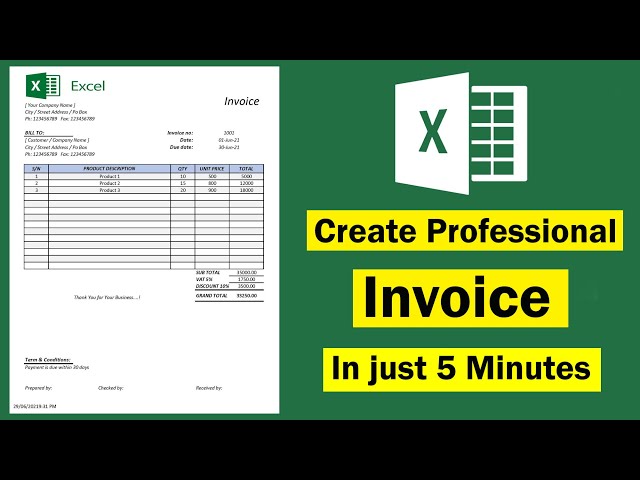
An invoice bill is a commercial document used for billing purposes, typically by businesses and freelancers. It includes information such as the invoicing party, customer details, description of products or services provided, quantity, unit price, total amount, payment terms, and any applicable taxes.
Invoice bills are essential for tracking transactions, ensuring accurate billing, and maintaining financial records. They serve as legal documentation of the goods or services provided and the amount owed by the customer. Historically, invoice bills were created manually or using typewriters, but with technological advancements, electronic invoice billing has become commonplace.
This article will explore the essential elements of an invoice bill, its various formats, best practices for creating and sending invoices, and the legal implications of invoice billing. It will provide guidance to businesses and individuals on how to create professional and compliant invoice bills that efficiently manage their billing processes.
Invoice Bill Format
The format of an invoice bill is crucial for ensuring accurate and efficient billing processes. Key aspects to consider include:
- Invoice Number: Unique identifier for each invoice.
- Invoice Date: Date the invoice was issued.
- Customer Information: Name, address, and contact details of the customer.
- Supplier Information: Name, address, and contact details of the supplier.
- Description of Goods/Services: Detailed list of products or services provided.
- Quantity: Number of units or quantity of goods/services provided.
- Unit Price: Price per unit of goods/services.
- Total Amount: Total amount owed, excluding taxes.
- Taxes: Applicable taxes, such as VAT or GST.
- Payment Terms: Due date, payment methods, and any discounts or penalties.
These aspects ensure that invoice bills are clear, concise, and legally compliant. They facilitate efficient tracking of transactions, accurate billing, and timely payments. By adhering to best practices in invoice bill formatting, businesses can streamline their billing processes and maintain strong financial records.
Invoice Number
The invoice number is a critical component of the invoice bill format. It serves as a unique identifier for each invoice, allowing for easy tracking, referencing, and organization of financial transactions. Without a unique invoice number, it would be challenging to differentiate between multiple invoices, especially when dealing with high volumes of billing.
Real-life examples of invoice numbers include sequential numeric formats, such as “INV-001”, “INV-002”, and so on. Some businesses also incorporate prefixes or suffixes to further distinguish invoice numbers based on factors such as the year, customer type, or project code. For instance, an invoice number could be “INV-2023-001” to indicate the first invoice issued in the year 2023.
The practical significance of understanding the connection between invoice numbers and invoice bill format lies in its impact on efficient accounting practices. Unique invoice numbers enable businesses to maintain accurate financial records, track payments, and identify duplicate or fraudulent invoices. Additionally, invoice numbers are often used as references for inquiries, disputes, or follow-up communications related to the invoice.
Invoice Date
The invoice date holds significant importance within the format of an invoice bill as it establishes a clear timeline for billing purposes and serves as a reference point for payment due dates, discounts, and potential penalties. It helps businesses track their billing cycles, monitor cash flow, and maintain accurate financial records.
- Chronological Order: The invoice date serves as a chronological marker, allowing businesses to organize and sequence their invoices based on the date they were issued. This facilitates efficient tracking of billing history and simplifies the retrieval of specific invoices when needed.
- Payment Terms: The invoice date is often used as a starting point for determining payment due dates. Many businesses offer payment terms such as “net 30” or “net 60,” which specify the number of days after the invoice date within which payment is expected. Clear indication of the invoice date helps customers understand their payment obligations and avoid late payment fees.
- Discount Calculations: Some businesses offer early payment discounts to incentivize prompt payments. The invoice date is crucial for calculating the discount period and determining the discounted amount. Accurate invoice dates ensure that customers receive the correct discounts and avoid confusion or disputes.
- Legal Implications: In certain legal contexts, the invoice date may be used to determine the statute of limitations for invoice disputes or collections. Proper documentation of the invoice date helps businesses protect their rights and avoid potential legal complications.
Overall, the invoice date is an integral part of the invoice bill format, providing a solid foundation for effective billing practices, timely payments, and accurate financial management. Understanding its significance and adhering to best practices in invoice dating helps businesses maintain efficient billing processes and foster positive customer relationships.
Customer Information
Customer information, encompassing the customer’s name, address, and contact details, plays a pivotal role within the format of an invoice bill. It establishes a clear and direct connection between the supplier and the recipient of the invoice, facilitating effective communication, accurate billing, and timely payments.
The customer’s name serves as a primary identifier, ensuring that the invoice reaches the intended recipient. The address provides the necessary information for physical mail delivery or retrieval of goods, while the contact details, including phone number and email address, enable prompt communication regarding the invoice or any related queries. Without accurate and complete customer information, the invoice may not reach its destination, leading to delays in payment or potential disputes.
Real-life examples of customer information included in an invoice bill format typically follow a structured layout. The customer’s name is prominently displayed at the top of the invoice, often accompanied by their company or organization name. The address is typically listed below the name, followed by the contact details. This standardized format ensures that all necessary customer information is easily accessible and identifiable.
The practical applications of understanding the connection between customer information and invoice bill format are multifaceted. Accurate customer information enables efficient invoice delivery, reducing the risk of lost or delayed invoices. It facilitates direct communication between the supplier and the customer, allowing for prompt resolution of queries or clarifications. Moreover, complete customer information is crucial for maintaining accurate financial records, tracking payments, and managing customer relationships effectively.
Supplier Information
Supplier information, encompassing the supplier’s name, address, and contact details, forms a critical component of the invoice bill format. It establishes a clear identity for the business or individual issuing the invoice and provides essential points of contact for customers. Accurate and complete supplier information ensures smooth communication, efficient invoice processing, and timely payments.
Real-life examples of supplier information included in an invoice bill format typically follow a standardized layout. The supplier’s name is prominently displayed at the top of the invoice, often accompanied by their company logo or branding. The address is typically listed below the name, followed by the contact details, including phone number, email address, and website (if applicable). This standardized format allows customers to easily identify the supplier and contact them for any queries or clarifications.
Understanding the connection between supplier information and invoice bill format is crucial for several reasons. Firstly, it enables efficient invoice processing. Clear and accurate supplier information allows customers to quickly verify the authenticity of the invoice and identify the responsible party. Secondly, it facilitates direct communication between the supplier and the customer. Complete contact details allow for prompt resolution of queries, order tracking, or any other invoice-related matters. Thirdly, comprehensive supplier information aids in maintaining accurate financial records. Proper documentation of supplier details ensures that payments are directed to the correct party and that financial transactions are properly tracked.
Description of Goods/Services
Within the format of an invoice bill, the description of goods/services plays a pivotal role in accurately outlining the products or services rendered to the customer. It serves as a detailed record of the transaction, ensuring clarity and reducing potential disputes. A comprehensive description not only aids in efficient billing but also provides a clear understanding of what the customer is paying for.
- Itemization: The description should include a clear breakdown of each item or service provided. This includes a specific description of the product, its quantity, and any applicable units of measure. Itemization allows for transparency and accuracy in billing, ensuring that the customer is charged correctly for each item.
- Product/Service Codes: For businesses dealing with a large volume of products or services, using product/service codes can streamline the description process. These codes are assigned to each item or service and can be referenced on the invoice instead of a full description. This saves space and reduces the risk of errors.
- Specifications and Details: In certain cases, it may be necessary to provide additional specifications or details about the goods/services. This could include information such as the product’s make, model, or any unique features. Including these details helps ensure that the customer fully understands what they are purchasing.
- Customization: For customized products or services, the description should clearly state the unique modifications or specifications requested by the customer. This ensures that the customer is billed accurately for the customized work and that there is a clear record of the specific requirements.
Overall, a detailed and accurate description of goods/services is essential for creating clear and compliant invoice bills. It provides a transparent record of the transaction, facilitates efficient billing, and minimizes the risk of disputes. By adhering to best practices in describing goods/services, businesses can enhance the quality of their invoices, foster customer trust, and streamline their billing processes.
Quantity
Within the format of an invoice bill, the quantity holds significant importance in accurately reflecting the number of units or the quantity of goods/services provided to the customer. It serves as a crucial element for calculating the total amount due and ensuring fair billing practices.
- Units of Measurement: In specifying the quantity, it is essential to indicate the appropriate units of measurement. This may include units such as pieces, kilograms, hours, or any other relevant measure that accurately reflects the quantity provided.
- Itemization and Accuracy: The quantity should be clearly stated for each item or service listed on the invoice. Accuracy in quantity reporting is crucial to avoid errors in billing and ensure that the customer is charged correctly for the goods/services received.
- Partial Quantities: In certain cases, businesses may need to invoice for partial quantities, such as when a service is rendered over multiple days or when goods are sold in fractions. Proper documentation of partial quantities ensures accurate billing and transparency in the transaction.
- Implications for Billing: The quantity directly impacts the total amount due on the invoice. Incorrect or inaccurate quantity reporting can lead to under or overbilling, affecting both the customer’s financial obligations and the business’s revenue.
By paying close attention to the quantity aspect of invoice bills, businesses can maintain accurate records, ensure fair billing practices, and avoid potential disputes. Clear and precise quantity reporting is a fundamental aspect of professional invoice bill formatting, contributing to efficient billing processes and fostering customer satisfaction.
Unit Price
Within the format of an invoice bill, the unit price plays a crucial role in determining the total cost of goods or services provided. It represents the price charged for each individual unit, serving as a fundamental element for calculating the overall amount due. The unit price directly impacts the accuracy and fairness of billing practices, ensuring that customers are charged appropriately for the quantity of goods/services received.
Real-life examples of unit price within an invoice bill format commonly include scenarios such as pricing per item, per hour, or per unit of measurement. For instance, an invoice for construction materials may list the unit price for each brick, while an invoice for consulting services may specify the hourly rate charged. Clear and precise indication of the unit price allows customers to easily calculate the total cost and verify the accuracy of the invoice.
Understanding the connection between unit price and invoice bill format is essential for several reasons. Firstly, it enables accurate billing and prevents errors in calculating the total amount due. Secondly, it provides transparency to customers, allowing them to understand the pricing structure and make informed decisions. Thirdly, proper documentation of the unit price facilitates efficient record-keeping and simplifies the process of reconciling invoices with purchase orders or other financial documents.
In summary, the unit price is a critical component of the invoice bill format, directly influencing the total amount due and ensuring fair billing practices. Accurate and clear indication of the unit price enhances transparency, facilitates accurate calculations, and supports efficient financial management. Understanding this connection empowers businesses and customers alike, promoting trust and fostering positive business relationships.
Total Amount
Within the format of an invoice bill, the total amount holds significant importance as it represents the total sum owed by the customer, excluding applicable taxes. Understanding its components and implications is crucial for accurate billing, efficient financial management, and maintaining positive customer relationships.
- Sub-Total: Represents the sum of all individual line items on the invoice, excluding any discounts or taxes. It provides a concise overview of the total cost of goods or services before any adjustments are applied.
- Discounts: Reflects any discounts or price reductions offered to the customer. Discounts can be applied as a percentage or a fixed amount and are typically deducted from the sub-total.
- Shipping and Handling: Covers the costs associated with preparing and delivering the goods or services to the customer. This may include expenses such as packaging, transportation, and insurance.
- Other Charges: Encompasses any additional charges not included in the line items, sub-total, or other specified categories. These may include fees for special services, customization, or late payment penalties.
Understanding the various components of the total amount ensures accurate calculation and transparency in invoicing. It enables businesses to clearly communicate the pricing structure to customers, avoiding confusion or disputes. Moreover, proper documentation of the total amount facilitates efficient record-keeping and simplifies the process of reconciling invoices with purchase orders or other financial documents.
Taxes
Within the format of an invoice bill, taxes hold a critical position as they represent the legally mandated charges levied on the sale of goods or services. Their inclusion and accurate calculation are essential for businesses to comply with tax regulations and ensure transparent billing practices.
Real-life examples of taxes commonly included in invoice bills encompass Value Added Tax (VAT) and Goods and Services Tax (GST). These taxes are applied as a percentage of the total amount or specific line items and must be clearly indicated on the invoice. Failure to include or accurately calculate taxes can result in legal penalties and reputational damage.
Understanding the connection between taxes and invoice bill format is crucial for several reasons. Firstly, it ensures compliance with tax regulations, reducing the risk of legal consequences. Secondly, it promotes transparency by providing customers with a clear breakdown of the total cost, including taxes. Thirdly, accurate tax calculations facilitate efficient accounting and financial reporting.
In summary, taxes are an essential component of invoice bill formatting, enabling businesses to meet their legal obligations, maintain transparency, and support efficient financial management. Understanding the importance and implications of taxes within invoice bills empowers businesses to create compliant and informative invoices, fostering trust and positive relationships with customers.
Payment Terms
Within the format of an invoice bill, payment terms hold significant importance as they outline the expected date of payment, acceptable payment methods, and any applicable discounts or penalties. Understanding their connection to invoice bill formatting is crucial for businesses to establish clear payment expectations, manage cash flow effectively, and maintain strong customer relationships.
Real-life examples of payment terms commonly found within invoice bills include “Net 30,” indicating that payment is due within 30 days from the invoice date, or “2% discount if paid within 10 days,” incentivizing prompt payment with a discount. Additionally, payment terms may specify acceptable payment methods such as bank transfer, credit card, or online payment platforms.
The practical applications of understanding the connection between payment terms and invoice bill format are multifaceted. Clear and concise payment terms enable businesses to set payment expectations, reducing the risk of late payments and improving cash flow management. Offering discounts for early payments encourages customers to settle their invoices promptly, positively impacting a business’s financial position. Conversely, late payment penalties discourage delayed payments, ensuring timely invoice settlement and maintaining healthy business relationships.
In summary, payment terms are a critical component of invoice bill formatting, enabling businesses to communicate payment expectations, manage cash flow, and foster positive customer relationships. By adhering to best practices in payment term , businesses can optimize their billing processes, reduce the risk of payment delays, and maintain financial stability.
Frequently Asked Questions
This FAQ section aims to address common queries and provide clarity on various aspects of “format of invoice bill.”
Question 1: What are the essential elements of an invoice bill?
Answer: An invoice bill typically includes an invoice number, invoice date, customer and supplier information, description of goods/services, quantity, unit price, total amount, applicable taxes, and payment terms.
Question 2: Why is invoice numbering crucial?
Answer: Invoice numbers serve as unique identifiers, facilitating efficient tracking, referencing, and organization of financial transactions, preventing confusion and potential fraud.
Question 3: What is the significance of the invoice date?
Answer: The invoice date establishes a clear timeline for billing purposes, determining payment due dates, discount periods, and potential penalties, ensuring accurate cash flow management.
Question 4: Why should customer information be accurate and complete?
Answer: Accurate customer information ensures the invoice reaches the intended recipient, enables prompt communication regarding the invoice, and facilitates efficient payment processing, reducing delays and disputes.
Question 5: What are the implications of clear payment terms?
Answer: Clear payment terms communicate payment expectations, reducing the risk of late payments and improving cash flow management. They also encourage prompt payment through discounts and discourage delayed payments through penalties.
Question 6: How does a well-formatted invoice benefit businesses?
Answer: A well-formatted invoice enhances professionalism, facilitates efficient billing processes, ensures compliance with tax regulations, and fosters positive customer relationships by providing clarity and transparency.
In summary, understanding the “format of invoice bill” and its key components is essential for accurate invoicing, efficient billing processes, and maintaining strong financial management practices.
In the next section, we will explore best practices for creating and sending invoices, discussing strategies for effective invoice management and the legal implications of invoice billing.
Tips for Creating and Sending Effective Invoices
This section provides practical tips and strategies to help you create and send professional and compliant invoices that streamline your billing processes and enhance customer satisfaction.
Tip 1: Use a clear and consistent invoice template: Establish a standardized invoice format that includes all necessary elements, such as invoice number, date, customer information, description of goods/services, quantity, unit price, total amount, applicable taxes, and payment terms.
Tip 2: Provide detailed descriptions of goods/services: Avoid vague or generic descriptions. Instead, clearly outline the products or services provided, including any unique specifications or customization.
Tip 3: Set clear payment terms and due dates: Communicate payment expectations upfront. Specify the payment due date, acceptable payment methods, and any applicable discounts or penalties for early or late payments.
Tip 4: Send invoices promptly: Issue invoices as soon as possible after goods/services are delivered or work is completed. Prompt invoicing reduces the risk of delayed payments and improves cash flow.
Tip 5: Follow up on overdue invoices: Regularly review your accounts receivable and follow up on any unpaid invoices. Polite and persistent reminders can help accelerate payment and minimize bad debt.
Tip 6: Offer multiple payment options: Provide customers with convenient payment options to make it easier for them to settle their invoices. Consider accepting online payments, credit cards, or bank transfers.
Tip 7: Seek professional advice if needed: If you encounter complex tax or legal issues related to invoice billing, consider consulting with an accountant or lawyer to ensure compliance and avoid potential liabilities.
Tip 8: Utilize invoicing software: Many software solutions are available to automate invoice creation, send reminders, and track payments, saving you time and reducing errors.
By following these tips, you can create and send invoices that are clear, accurate, and legally compliant. This will not only streamline your billing processes but also enhance customer satisfaction and improve your cash flow management.
In the next section, we will explore the legal implications of invoice billing, discussing the importance of understanding your rights and responsibilities as a business owner or freelancer.
Conclusion
This comprehensive exploration of the “format of invoice bill” has shed light on its critical elements, emphasizing the importance of accuracy, clarity, and legal compliance in invoice billing practices. Understanding the components of an invoice bill, such as invoice numbering, dates, customer information, and payment terms, is essential for efficient billing processes and effective cash flow management.
Two key points highlighted in this article are the significance of clear and consistent invoice formats and the benefits of prompt invoice sending. Standardized invoice formats ensure professional and organized billing, while timely invoicing reduces payment delays and improves cash flow. Furthermore, understanding the legal implications of invoice billing, including tax regulations and payment terms, is crucial to avoid liabilities and maintain compliance.