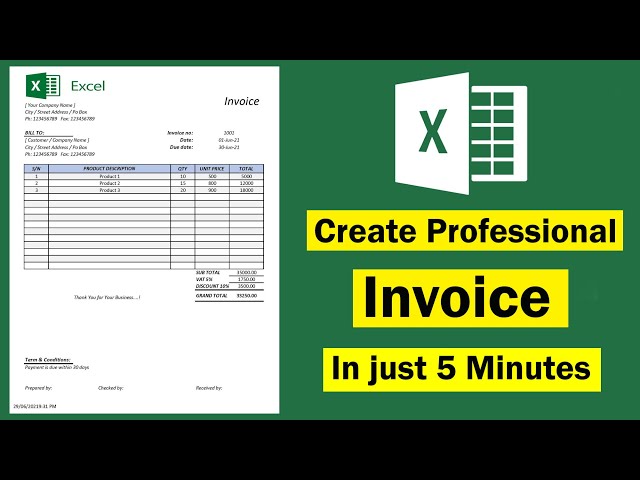
The format of an invoice, referring to its structural organization, is a crucial aspect of business transactions. An invoice, a commercial document sent by a seller to a buyer, itemizes details and charges for goods or services supplied.
A coherent and standardized invoice format ensures clear communication, efficient payment processing, and legal compliance. Historically, manual invoice creation gave way to digital invoicing platforms, streamlining the process.
This article provides an in-depth exploration of the standard invoice format, covering its essential elements, variations, and best practices for creating professional and legally compliant invoices.
Format of an Invoice
The format of an invoice is a crucial element that ensures effective communication, efficient payment processing, and legal compliance in business transactions.
- Header: Company name, logo, contact details
- Recipient Information: Customer name, address
- Invoice Number: Unique identifier for tracking
- Invoice Date: Date of invoice issuance
- Line Items: Description, quantity, unit price, total
- Subtotals: Before taxes and discounts
- Taxes: Applicable tax rates and amounts
- Total Amount: Final amount due
These aspects collectively form a comprehensive invoice format that facilitates accurate billing, simplifies payment processes, and enhances record-keeping for both the seller and the buyer. A well-structured invoice ensures timely payments, reduces errors, and promotes transparency in financial transactions.
Header
The header of an invoice, comprising the company name, logo, and contact details, plays a critical role in establishing the format and overall presentation of the invoice. It serves as the professional identity of the seller and provides essential information for communication and record-keeping.
The company name and logo are central to branding and recognition. They establish the identity of the seller and create a visual association with the business. Contact details, including address, phone number, and email address, are equally important for enabling communication and facilitating inquiries, payments, or any necessary follow-ups.
In practice, the header is prominently displayed at the top of the invoice, setting the tone for the document. A well-designed header enhances the invoice’s credibility and professionalism, making it easier for the recipient to identify the sender and contact them if needed. Moreover, a consistent header across all invoices helps build brand recognition and reinforces the seller’s identity in the marketplace.
In summary, the header section of an invoice is not merely a collection of details but a vital component that establishes the seller’s identity, facilitates communication, and contributes to the overall professionalism and effectiveness of the invoice.
Recipient Information
Recipient information, comprising the customer name and address, is a critical component of an invoice format. It establishes the recipient of the invoice, enabling the identification of the party responsible for payment. The accuracy of this information is paramount to ensure that the invoice reaches the intended recipient and facilitates timely payment.
In practice, the recipient information is typically placed prominently on the invoice, often below the header section. It includes the customer’s full name or company name, as well as their billing address. This information is crucial for several reasons. Firstly, it allows the seller to maintain accurate records of their transactions, ensuring that invoices are correctly linked to specific customers and orders.
Furthermore, the recipient information is essential for payment processing. By clearly identifying the customer and their billing address, the seller can ensure that payments are directed to the correct account. This reduces the risk of payment errors or delays, streamlining the financial processes for both parties.
In summary, the recipient information on an invoice is not merely a formality but a vital component that facilitates accurate record-keeping, efficient payment processing, and effective communication between the seller and the customer. Understanding this connection is crucial for businesses seeking to optimize their invoicing practices and maintain seamless financial operations.
Invoice Number
Within the format of an invoice, the invoice number holds a critical position as a unique identifier for tracking and organizing transactions. This distinctive alphanumeric or numeric code serves multiple purposes, enhancing the efficiency and accuracy of invoicing processes.
- Identification: Each invoice number serves as a distinct identifier for a specific transaction or invoice, enabling easy retrieval and cross-referencing of invoice-related information.
- Tracking: Invoice numbers facilitate seamless tracking of invoices throughout their lifecycle, from issuance to payment, enabling businesses to monitor the status of each invoice and identify any potential delays or discrepancies.
- Organization: Invoice numbers play a vital role in organizing and managing invoices, both physically and digitally. They allow businesses to maintain chronological order, group invoices by customer or project, and simplify the retrieval of specific invoices when needed.
- Fraud Prevention: Unique invoice numbers act as a deterrent against invoice fraud, as they make it more difficult for unauthorized individuals to create or alter invoices for malicious purposes.
In summary, the invoice number, as a unique identifier for tracking, is a fundamental aspect of the format of an invoice. It streamlines invoice management, enhances accuracy, and safeguards against fraud, ultimately contributing to the smooth functioning of business transactions.
Invoice Date
The “Invoice Date: Date of invoice issuance” is a critical component of the format of an invoice, establishing a clear connection between the two concepts. This date serves as a timestamp, indicating the exact day on which the invoice was issued and sent to the customer. Its significance lies in several key aspects.
Firstly, the invoice date plays a crucial role in determining the payment terms and due date. It sets the starting point for calculating the payment period, ensuring that customers have a clear understanding of when payment is expected. This information is essential for both the seller and the buyer, as it facilitates timely payments and avoids potential late payment fees or disputes.
Moreover, the invoice date is often used as a reference point for tracking and managing invoices. By organizing invoices chronologically based on their issuance dates, businesses can easily monitor their outstanding invoices, identify overdue payments, and stay on top of their accounts receivable. This organization simplifies invoice management and helps businesses maintain accurate financial records.
In summary, the “Invoice Date: Date of invoice issuance” is an indispensable element of the format of an invoice. It establishes the payment timeline, serves as a reference point for invoice tracking, and contributes to efficient financial management. Understanding this connection is crucial for businesses seeking to optimize their invoicing processes and maintain healthy cash flow.
Line Items
Within the format of an invoice, line items hold critical importance, capturing the details of goods or services supplied and their associated costs. Each line item comprises four key elements: description, quantity, unit price, and total, working together to provide a comprehensive breakdown of the transaction.
-
Description
The description provides a clear and concise explanation of the goods or services provided. It should be specific enough to avoid confusion and enable the customer to easily identify the items being charged for.
-
Quantity
The quantity indicates the number of units of the goods or services being supplied. It is essential for accurate billing, as it determines the total cost of each line item.
-
Unit Price
The unit price represents the cost of a single unit of the goods or services. It is typically expressed in the currency of the invoice and should be clearly stated to avoid misunderstandings.
-
Total
The total amount for each line item is calculated by multiplying the quantity by the unit price. It represents the total cost of that particular item and is essential for determining the overall invoice amount.
Collectively, these line items form the core of the invoice, providing a detailed breakdown of the transaction and serving as the basis for calculating the final amount due. A well-structured and accurate line item section is crucial for ensuring transparency, facilitating payment processing, and maintaining proper financial records.
Subtotals
Within the format of an invoice, subtotals hold significant importance as they represent the total amount due before the application of taxes and discounts. This intermediate calculation serves as the foundation for determining the final invoice amount and plays a crucial role in ensuring accurate billing and payment processing.
Subtotals are calculated by summing up the total cost of each line item in the invoice. Each line item typically includes a description of the goods or services provided, the quantity, unit price, and the total amount for that particular item. Once all line items are added together, the resulting figure is the subtotal.
The subtotal serves as the basis for applying taxes and discounts. Taxes are typically calculated as a percentage of the subtotal, while discounts are deducted directly from the subtotal. By separating subtotals from taxes and discounts, businesses can clearly present the breakdown of charges and ensure transparency in their billing practices.
In practical terms, subtotals allow businesses to easily adjust invoices based on specific customer requirements. For instance, if a customer is eligible for a discount, the discount can be applied directly to the subtotal before calculating the final invoice amount. This flexibility enables businesses to tailor their invoices to meet individual customer needs and preferences.
In summary, subtotals, as a critical component of the format of an invoice, provide a clear and accurate representation of the total amount due before taxes and discounts are applied. They facilitate transparent billing practices, enable easy adjustment of invoices, and serve as the foundation for calculating the final invoice amount.
Taxes
Within the format of an invoice, the section dedicated to taxes holds critical significance. It clearly outlines the applicable tax rates and amounts, establishing a direct connection between the invoice and the legal tax obligations of the transaction. This component serves as a crucial element of accurate billing, ensuring compliance with tax regulations and providing transparency to customers.
The inclusion of taxes in an invoice format is not merely a formality but a legal requirement in many jurisdictions. Businesses are obligated to collect and remit taxes on applicable goods and services, and the invoice serves as a record of these transactions. By presenting the tax rates and amounts separately, businesses demonstrate their adherence to tax laws and provide customers with clear information about the tax implications of the purchase.
In practical terms, the taxes section of an invoice enables customers to understand the breakdown of charges and verify the accuracy of tax calculations. This transparency builds trust and credibility, as customers can easily see how the final invoice amount is derived. Moreover, it provides a basis for customers to budget and plan for tax payments, ensuring timely compliance with their own tax obligations.
In summary, the “Taxes: Applicable Tax Rates and Amounts” section of an invoice format plays a vital role in ensuring legal compliance, providing transparency to customers, and facilitating accurate billing practices. It serves as a critical component of the invoice, connecting the transaction to the applicable tax regulations and empowering both businesses and customers to meet their tax obligations effectively.
Total Amount
Within the context of “format of an invoice”, the “Total Amount: Final amount due” holds significant importance as the culmination of charges for goods or services rendered. It represents the total sum that the customer owes to the business, providing a clear and concise summary of the invoice.
-
Subtotal
The subtotal is the sum of all line item charges before the application of taxes and discounts. It provides a base amount upon which taxes and discounts are calculated.
-
Taxes
Taxes are calculated based on the subtotal and applicable tax rates. They represent the amount of tax that the business is required to collect and remit to the relevant tax authorities.
-
Discounts
Discounts are deducted from the subtotal before taxes are applied. They can be offered for various reasons, such as early payment, bulk purchases, or promotional offers.
-
Final Amount Due
The final amount due is the total amount that the customer owes, including all taxes and discounts. It is the final figure that the customer is responsible for paying.
Collectively, these components contribute to the calculation of the “Total Amount: Final amount due”, ensuring accurate billing and clear communication between the business and the customer. Understanding the composition and implications of this key element is essential for both parties to ensure smooth and efficient financial transactions.
Frequently Asked Questions (FAQs) on Invoice Format
This section addresses frequently asked questions (FAQs) about the format of an invoice, providing concise answers to clarify common concerns and misconceptions.
Question 1: What are the essential elements of an invoice format?
Answer: Essential elements include the company name and logo, customer information, invoice number, invoice date, line items with descriptions, quantity, unit price, and total, subtotal, taxes, and the total amount due.
Question 2: Why is it important to have a consistent invoice format?
Answer: Consistency ensures clear communication, simplifies payment processing, and enhances record-keeping for both the seller and the buyer.
Question 3: How can I create an invoice that is both professional and legally compliant?
Answer: Use clear and concise language, include all necessary elements, and adhere to any specific legal requirements or industry standards applicable to your business.
Question 4: What are some common mistakes to avoid when formatting an invoice?
Answer: Avoid missing essential elements, errors in calculations, unclear descriptions, and inconsistent formatting, as these can lead to confusion and payment delays.
Question 5: How can I customize my invoice format to meet specific business needs?
Answer: While maintaining the essential elements, you can add additional sections or fields to accommodate specific requirements, such as payment terms, discounts, or notes.
Question 6: What are the benefits of using an invoice template?
Answer: Templates provide a pre-defined structure, ensuring consistency, saving time, and reducing the risk of errors.
In summary, a well-formatted invoice is crucial for accurate billing, efficient payment processing, and legal compliance. By understanding and adhering to the standard invoice format, businesses can enhance their financial operations and foster transparent and professional relationships with their customers.
The next section will explore best practices for creating clear and concise invoice line items, ensuring that each transaction is accurately described and easily understood.
Tips for Creating Clear and Concise Invoice Line Items
This section provides valuable tips to help businesses create clear and concise invoice line items, ensuring accurate descriptions and easy comprehension for customers.
Tip 1: Use specific and descriptive language
Provide detailed descriptions of goods or services, avoiding vague or generic terms.
Tip 2: Quantify items clearly
Indicate the quantity of each item, using appropriate units of measurement (e.g., pieces, hours, liters).
Tip 3: State the unit price separately
List the unit price for each item, excluding taxes and discounts, to enhance transparency.
Tip 4: Calculate the line item total accurately
Multiply the quantity by the unit price to determine the total cost of each line item.
Tip 5: Use consistent formatting
Maintain a consistent format for all line items, including font, size, and alignment, to improve readability.
Tip 6: Avoid combining multiple items into a single line item
Create separate line items for each distinct good or service to ensure clarity and accuracy.
Tip 7: Proofread carefully
Review line items thoroughly for any errors in description, quantity, unit price, or calculations.
By following these tips, businesses can create clear and concise invoice line items that enhance communication, minimize errors, and foster trust with customers.
The next section will delve into best practices for organizing invoice line items, exploring techniques to group and arrange items logically for easy comprehension.
Conclusion
This comprehensive exploration of the format of an invoice has highlighted several key ideas and findings. Firstly, a standardized invoice format is crucial for ensuring clear communication, efficient payment processing, and legal compliance in business transactions. Essential elements include the company name and logo, customer information, invoice number, invoice date, line items, subtotals, taxes, and the total amount due. Maintaining consistency in invoice formatting streamlines financial processes and enhances record-keeping for both sellers and buyers.
Secondly, clear and concise invoice line items are essential for accurate billing and easy comprehension. By using specific descriptions, quantifying items, stating unit prices separately, calculating line item totals accurately, using consistent formatting, avoiding combining multiple items into a single line item, and proofreading carefully, businesses can create invoices that are easy to understand and minimize errors.
In conclusion, adhering to the standard invoice format and best practices for organizing invoice line items empowers businesses to foster transparent and professional relationships with their customers. By providing clear and accurate invoices, businesses can streamline their financial operations, reduce errors, and maintain compliance with legal requirements.