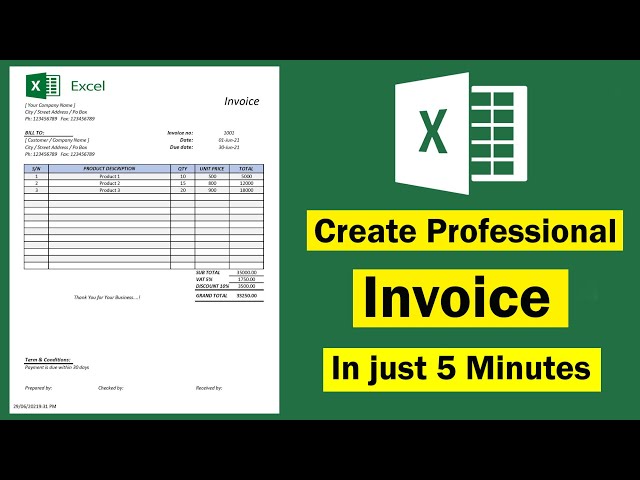
An “example of invoices templates” is a predefined document format designed to help businesses create professional and accurate invoices. These templates provide a structured framework that includes essential invoice elements such as company information, customer details, itemized services or products, payment terms, and totals.
Using invoice templates offers numerous benefits. They streamline the invoicing process, reducing time and effort, and ensure consistency in invoicing practices. Additionally, they contribute to more efficient accounting practices, error reduction, and enhanced professionalism in business transactions. Historically, invoice templates have evolved from handwritten ledgers to digital formats, reflecting advancements in technology and the need for efficient business operations.
This article will explore a comprehensive collection of “examples of invoices templates” tailored to various industries and purposes, providing valuable guidance for businesses seeking to optimize their invoicing practices.
Example of Invoices Templates
When creating invoices, it is crucial to consider essential aspects that ensure their effectiveness and alignment with business requirements.
- Customization
- Professionalism
- Accuracy
- Compliance
- Time-saving
- Branding
- Automation
- Simplicity
- Legal considerations
- Industry-specific
Customization allows for tailoring templates to specific business needs and preferences. Professionalism reflects the credibility and trustworthiness of the business. Accuracy ensures error-free invoices, fostering trust with customers. Compliance adheres to legal and regulatory requirements. Time-saving streamlines the invoicing process, increasing efficiency. Branding reinforces the company’s identity and strengthens customer recognition. Automation reduces manual effort and human error. Simplicity enhances usability and clarity for both the business and customers. Legal considerations safeguard the business from disputes and ensure enforceability. Industry-specific templates address the unique requirements of different industries.
Customization
Customization plays a critical role in the effectiveness of example of invoices templates. By allowing businesses to tailor templates to their specific needs and preferences, customization ensures that invoices accurately reflect the company’s branding, product or service offerings, and payment terms. This level of customization empowers businesses to create professional and visually appealing invoices that resonate with their customers and strengthen their brand identity.
Real-life examples of customization in example of invoices templates include the ability to:
Add company logos and branding elements Include customized fields to capture specific customer or invoice data Modify the layout and design to align with the business’s visual identity Integrate with accounting software for seamless data transfer
The practical significance of customization lies in its ability to enhance the efficiency, accuracy, and professionalism of the invoicing process. By eliminating the need for manual data entry and reducing the likelihood of errors, customization saves time and minimizes the risk of disputes. Moreover, customized invoices can improve customer satisfaction by providing a clear and tailored overview of the goods or services provided, payment details, and any other relevant information.
Professionalism
Within the context of “example of invoices templates”, professionalism plays a critical role in establishing trust, credibility, and a positive business image. Professional invoices communicate attention to detail, accuracy, and a commitment to providing high-quality goods or services.
-
Clarity and Conciseness
Professional invoices are characterized by clear and concise language, making it easy for customers to understand the details of the transaction. This includes using precise descriptions of products or services, accurate quantities, and well-defined payment terms.
-
Accurate Information
Accuracy is paramount in professional invoices. Errors in calculations, quantities, or other invoice data can damage trust and lead to payment delays or disputes. Businesses must ensure that all information on the invoice is accurate and up-to-date.
-
Appropriate Design
The design of an invoice should be professional and visually appealing, reflecting the company’s brand identity. A well-designed invoice uses consistent fonts, colors, and layout, contributing to a positive customer experience.
-
Complete Information
Professional invoices include all necessary information, such as the company’s name and contact details, customer information, invoice number, payment terms, and a clear breakdown of charges. This ensures that customers have a complete understanding of the transaction and can easily contact the business if needed.
By adhering to these principles of professionalism, businesses can create invoices that instill confidence in their customers, strengthen their brand reputation, and facilitate efficient and timely payments.
Accuracy
In the context of “example of invoices templates”, Accuracy takes center stage, ensuring that invoices are free from errors and reflect the true nature of the transaction. Accurate invoices build trust, minimize disputes, and facilitate streamlined accounting practices.
-
Factual Information
Accurate invoices contain error-free data, including quantities, descriptions, prices, and calculations. Verifying this information against source documents and double-checking all entries helps prevent mistakes.
-
Timely Issuance
Issuing invoices promptly ensures that customers receive them in a timely manner, allowing for accurate record-keeping and timely payments. Delays in invoicing can lead to confusion and payment discrepancies.
-
Clear and Concise Language
Clarity in language eliminates ambiguity and ensures that customers can easily understand the invoice details. Using precise terminology, avoiding jargon, and organizing information logically contributes to accuracy.
-
Compliance with Regulations
Adhering to industry-specific regulations and legal requirements enhances the credibility of invoices. This includes following tax laws, incorporating necessary disclosures, and obtaining proper approvals when applicable.
Maintaining accuracy in “example of invoices templates” is crucial for building strong business relationships, upholding ethical practices, and ensuring the smooth flow of financial transactions. Accurate invoices serve as reliable records of business dealings, facilitating efficient accounting, timely payments, and maintaining a positive reputation.
Compliance
Within the context of “example of invoices templates”, “Compliance” holds paramount importance, ensuring adherence to industry standards, legal requirements, and ethical guidelines. Compliant invoices uphold the integrity of financial transactions, minimize legal risks, and foster trust between businesses and their customers.
-
Tax Regulations
Invoices must comply with applicable tax laws and regulations, accurately reflecting tax amounts and ensuring proper reporting. Failure to comply can result in penalties and legal consequences.
-
Industry Standards
Adhering to industry-specific standards enhances the credibility and acceptance of invoices. This includes following prescribed formats, including necessary disclosures, and meeting industry-accepted practices.
-
Legal Requirements
Invoices must meet legal requirements, such as including essential information like company name, contact details, invoice number, and payment terms. Non-compliant invoices may be deemed invalid or unenforceable.
-
Ethical Considerations
Ethical compliance involves issuing accurate and truthful invoices, avoiding misleading or deceptive practices. Maintaining ethical standards fosters trust and strengthens business relationships.
By ensuring compliance in “example of invoices templates”, businesses demonstrate professionalism, uphold legal obligations, and safeguard their reputation. Compliant invoices facilitate smooth business transactions, minimize disputes, and contribute to a fair and transparent marketplace.
Time-saving
Within the realm of “example of invoices templates”, “Time-saving” emerges as a critical component, enabling businesses to streamline their invoicing processes and maximize efficiency. The connection between these two concepts revolves around the ability of “example of invoices templates” to automate repetitive tasks, reduce manual labor, and minimize the time spent on invoice creation.
Real-life examples of “Time-saving” within “example of invoices templates” abound. Pre-formatted templates eliminate the need for manually creating invoices from scratch, saving time and effort. Automated calculations reduce the risk of errors and further accelerate the invoicing process. Additionally, the integration of “example of invoices templates” with accounting software enables seamless data transfer, eliminating double-entry and saving valuable time.
The practical significance of “Time-saving” in “example of invoices templates” cannot be overstated. By reducing the time spent on invoicing, businesses can redirect resources to other critical areas, such as customer service, product development, or sales. Moreover, efficient invoicing practices improve cash flow by ensuring timely payments and reducing the risk of late fees or penalties.
In conclusion, “Time-saving” is an essential element of “example of invoices templates”, offering numerous benefits to businesses. By leveraging pre-formatted templates, automating calculations, and integrating with accounting software, businesses can streamline their invoicing processes, save time, and improve their overall efficiency. Embracing “Time-saving” as a key component of “example of invoices templates” empowers businesses to operate more effectively, enhance productivity, and stay competitive in today’s fast-paced business environment.
Branding
Within the context of “example of invoices templates”, “Branding” plays a pivotal role in shaping the perception and recognition of a business. By incorporating branding elements into invoices, businesses can reinforce their identity, build customer loyalty, and drive growth.
-
Company Logo
Displaying the company logo prominently on invoices serves as a visual reminder of the brand, fostering recognition and recall.
-
Color Scheme
Using consistent colors throughout the invoice design creates a cohesive and visually appealing experience, reinforcing the brand’s identity.
-
Typography
Choosing specific fonts and typefaces that align with the brand’s personality and values contributes to a distinctive and memorable invoice design.
-
Tagline or Slogan
Including the company’s tagline or slogan on invoices provides an opportunity to communicate the brand’s unique value proposition and messaging.
The cumulative effect of these branding elements on “example of invoices templates” is the creation of a consistent and recognizable brand experience for customers. By presenting invoices that reflect the company’s identity and values, businesses can build stronger connections with their customers, enhance their professional image, and drive brand loyalty.
Automation
In the realm of “example of invoices templates”, “Automation” emerges as a critical component, transforming the invoicing process by leveraging technology to streamline tasks, reduce errors, and enhance efficiency. The relationship between “Automation” and “example of invoices templates” is symbiotic, with each element amplifying the benefits of the other.
Real-life examples of “Automation” within “example of invoices templates” abound. Automated calculations eliminate the risk of manual errors, ensuring accuracy and consistency in invoice totals. Pre-populated customer and product information reduces data entry time, minimizing the potential for mistakes. Integration with accounting software enables seamless data transfer, eliminating double-entry and saving valuable time.
The practical significance of “Automation” in “example of invoices templates” cannot be overstated. By automating repetitive tasks, businesses can redirect resources to other critical areas, such as customer service, product development, or sales. Furthermore, automated invoicing processes improve cash flow by ensuring timely payments and reducing the risk of late fees or penalties.
In conclusion, “Automation” is an essential element of “example of invoices templates”, offering numerous benefits to businesses. By embracing “Automation”, businesses can streamline their invoicing processes, save time, reduce errors, and improve their overall efficiency. This understanding empowers businesses to operate more effectively, enhance productivity, and stay competitive in today’s fast-paced business environment.
Simplicity
Within the context of “example of invoices templates”, “Simplicity” takes center stage as a guiding principle, ensuring that invoices are clear, concise, and comprehensible. Embracing simplicity streamlines the invoicing process, minimizes errors, and enhances the customer experience.
-
Clear Language
Invoices should be written in straightforward and easy-to-understand language, avoiding jargon or technical terms that may confuse customers.
-
Logical Structure
A well-organized invoice presents information in a logical and sequential manner, making it easy for customers to find the details they need.
-
Visual Appeal
Simple yet visually appealing invoice designs enhance readability and make invoices more professional and presentable.
-
Minimal Distractions
Avoiding unnecessary clutter and distractions on invoices helps customers focus on the essential information, reducing the risk of errors or confusion.
By adhering to these principles of simplicity, businesses can create invoices that are easy to understand, process, and pay, fostering smoother business transactions and stronger customer relationships. Simplicity in “example of invoices templates” empowers businesses to operate more efficiently, enhance customer satisfaction, and maintain a competitive edge in today’s fast-paced business environment.
Legal considerations
Within the realm of “example of invoices templates”, “Legal considerations” emerge as a crucial aspect, ensuring that invoices adhere to established laws and regulations. Understanding and incorporating these considerations safeguards businesses from legal risks, disputes, and non-compliance issues.
-
Accuracy and Transparency
Invoices must accurately reflect the goods or services provided, including quantities, prices, and tax amounts. Transparency is key to building trust and avoiding disputes.
-
Compliance with Tax Regulations
Invoices must comply with applicable tax laws, including the correct calculation and inclusion of taxes. Non-compliance can lead to legal penalties and reputational damage.
-
Clear Payment Terms
Invoices should clearly outline payment terms, including due dates, acceptable payment methods, and any applicable late fees or interest charges. This clarity prevents misunderstandings and ensures timely payments.
-
Dispute Resolution Mechanisms
Businesses should consider including dispute resolution mechanisms in their invoice templates, outlining the steps to be taken in the event of a disagreement. This helps resolve issues amicably and minimizes the risk of legal action.
By incorporating these “Legal considerations” into “example of invoices templates”, businesses can ensure the legality, accuracy, and transparency of their invoices. This not only safeguards them from legal risks but also fosters trust with customers, streamlines business transactions, and contributes to a positive business environment.
Industry-specific
Within the spectrum of “example of invoices templates”, “Industry-specific” emerges as a facet that tailors invoices to the unique requirements and practices of different industries. By considering industry-specific nuances, businesses can create invoices that align with the expectations and norms of their respective sectors.
-
Customized Fields and Terminology
Industry-specific templates include customized fields and terminology that resonate with the specific industry, ensuring clear communication and accurate data capture.
-
Compliance with Regulations
Invoices adhere to industry-specific regulations and standards, ensuring compliance with legal and ethical requirements, as well as meeting the expectations of industry stakeholders.
-
Reflecting Industry Practices
Templates reflect established industry practices, incorporating commonly accepted formats, payment terms, and other elements that align with the specific industry’s norms.
-
Enhanced Accuracy and Efficiency
By utilizing industry-specific templates, businesses can improve the accuracy and efficiency of their invoicing processes, reducing errors and streamlining financial transactions.
Incorporating “Industry-specific” considerations into “example of invoices templates” enables businesses to create invoices that are tailored to their unique industry requirements, fostering seamless business transactions, strengthening compliance, and enhancing overall operational efficiency.
Frequently Asked Questions on Example of Invoices Templates
This section addresses common questions and clarifies essential aspects of “example of invoices templates” to enhance understanding and facilitate their effective use.
Question 1: What are the benefits of using “example of invoices templates”?
Advantages include standardized invoice formats, reduced errors, time savings, improved efficiency, and enhanced professionalism.
Question 2: How can I customize “example of invoices templates” to meet my specific needs?
Many templates allow for customization, including adding logos, modifying fields, and adjusting layouts, ensuring alignment with individual business requirements.
Question 3: Are “example of invoices templates” legally compliant?
Yes, reputable templates adhere to relevant laws and regulations, ensuring invoices are accurate, transparent, and meet industry standards.
Question 4: Can “example of invoices templates” be integrated with accounting software?
Integration is possible with many templates, enabling seamless data transfer, eliminating double entry, and streamlining accounting processes.
Question 5: How do I choose the right “example of invoices templates” for my business?
Consider factors such as industry-specific requirements, invoice volume, desired level of customization, and integration needs to select the most suitable template.
Question 6: Are there any limitations to using “example of invoices templates”?
While templates provide a solid foundation, they may require modifications to fully align with unique business processes or complex invoicing scenarios.
These FAQs provide essential insights into “example of invoices templates”, empowering businesses to leverage them effectively for accurate and efficient invoicing practices. Understanding these aspects lays the groundwork for exploring advanced features and best practices in invoice management.
Next, we will delve into “best practices for using example of invoices templates” to optimize invoicing processes, minimize errors, and enhance overall efficiency.
Tips for Using Example of Invoice Templates Effectively
Implementing “example of invoices templates” effectively requires careful consideration and adherence to best practices. This section provides valuable tips to optimize invoicing processes, minimize errors, and enhance overall efficiency.
Tip 1: Choose the Right Template
Selecting an industry-specific template ensures alignment with established norms and legal requirements.
Tip 2: Customize for Clarity
Tailor templates to include relevant fields and clear descriptions, ensuring easy comprehension for customers.
Tip 3: Ensure Accuracy and Consistency
Verify invoice data thoroughly, including quantities, prices, and tax calculations, to maintain accuracy and trust.
Tip 4: Automate to Save Time
Utilize templates that integrate with accounting software to automate calculations and reduce manual effort, saving valuable time.
Tip 5: Maintain a Professional Appearance
Design invoices with a professional layout, clear fonts, and appropriate branding to convey a positive image.
Tip 6: Track and Monitor Invoices
Implement a system to track invoice status, including payments and follow-ups, to ensure timely collections.
Tip 7: Seek Professional Advice When Needed
Consult with legal or accounting professionals for guidance on complex invoicing scenarios or industry-specific regulations.
Tip 8: Continuously Review and Improve
Regularly assess invoicing processes and make adjustments to templates or procedures to optimize efficiency and effectiveness.
By following these best practices, businesses can harness the full potential of “example of invoices templates” to streamline invoicing, minimize errors, and enhance their overall financial operations. These tips lay the foundation for exploring advanced features and best practices in invoice management, ultimately contributing to improved cash flow and stronger business performance.
In the concluding section, we will delve into advanced invoice management strategies to further optimize invoicing processes and maximize efficiency.
Conclusion
Throughout this exploration of “example of invoices templates,” we have uncovered the multifaceted nature of these templates and their profound impact on invoicing practices. Key insights include their ability to streamline processes, minimize errors, and enhance overall efficiency.
The interconnected main points that have emerged are:
Customization and Industry Alignment: Choosing industry-specific templates and customizing them to meet unique needs ensures accuracy, clarity, and compliance.Automation and Time-Saving: Integrating templates with accounting software automates calculations and reduces manual effort, saving businesses valuable time and resources.Professionalism and Trust: Designing professional invoices with clear layouts and consistent branding conveys a positive image and fosters trust with customers.
As businesses navigate the ever-changing landscape of invoicing, embracing “example of invoices templates” and adhering to best practices will continue to be essential for optimizing financial operations, maximizing efficiency, and maintaining a competitive edge.